

Heads up: some links below are affiliate or referral links. I only ever link things I actually use.
In my mid-twenties, my body started doing things nobody could explain.
Nausea that came out of nowhere, with full-body sweats and dizziness. Sometimes it lasted a few minutes, sometimes an hour. At first people told me it was stress. It happened at work, at dinners, at home, and once on vacation while I was walking on the beach with my friends, which is about the least stressful setting a person can be in. Then came the pins and needles, running down my arms and legs, on and off for weeks at a time.
That got me a whole bunch of tests and doctors. An MRI. Scans to rule out MS. Every test anybody could think of, all clean, and at the end of it a prescription for anxiety medication and a theory that I was probably having panic attacks.
I knew that wasn’t it. I just couldn’t prove it or give a better option.
Looking back now, with years of research I did myself because nobody was doing it for me, I don’t think there was one cause. I think there was a slow drip into a bucket and eventually the bucket overflowed. I’d had the Gardasil vaccine in my twenties, older than it’s recommended and strongly encouraged by my OBGYN for some strange reason, and then I had an adverse reaction to it. I was working a high-stress job that was probably pushing on a system already teetering. My diet was full of junk, I drank too much, and I had never exercised a day in my life. And a few years before any of the symptoms started, I had lived in a rental with a leak that ran from the third floor all the way down through the first, with water leaking out of a chandelier and a thermostat two floors away, and it was “fixed” with a coat of ceiling paint. I lived there for years after that incident.
Maybe any one of those alone would have been fine. My body could have handled it. All of them together apparently it couldn’t.
(The full health story deserves its own post, which I’ll plan to work on soon. It will be long. LOL)
What matters for today is what all of it turned me into: someone who researches. Someone who doesn’t believe the first answer if there isn’t info to back it up. Nobody could tell me what was wrong, so I started changing things myself, one at a time, and paying attention.
One thing at a time
Food came first. When I was trying to figure out all these gut issues I was also hearing about something called Whole30. These days everyone probably has heard of it, but back then it felt kind of extreme. But I knew I needed to eliminate some foods and see if any of them were the culprit behind what I was feeling. While I was doing my first Whole30 (which is basically just eating whole foods and eliminating potentially inflammatory foods like sugar, gluten and dairy), I became an ingredient reader. I started learning how many foods I was eating that had lots of unpronounceable ingredients. After I finished the Whole30 the ingredient label reading stuck with me. I can’t “unknow” what I learned, so I actively started avoiding many processed ingredients when I could.
Then a few years later some of the same people I was following for food ideas started talking about environment too. Not just what goes in your body but what goes on it, and what’s around it. Beautycounter was just getting started at the time, and knowing that they banned so many potentially toxic ingredients from their products without me having to read those labels too was appealing. I joined as a consultant for the discount because I was on a mission to replace all my personal care products to clean up what my family was touching each day.
Personal care was harder than food. I’d read a serum label, not recognize a single word, and have no idea whether that word was fine or terrible. So I leaned on EWG, and on companies like Beautycounter that do real third-party testing, so I could trust a company instead of re-researching every bottle in my bathroom.
From there it kept going. Clothing fabrics. Cleaning products. And eventually the house itself: what the building materials are made of, how water and air move through a house, how the house you live in can quietly be the root cause of health stuff you’d never connect to it. When we were doing a bathroom renovation I took a healthy bathrooms class from Christine of Holistic Homes, which sounds niche, and it is, but this was the kind of deep dive I tend to seek out when I’m learning about something.
Again, I can’t unknow what I know.
Meanwhile, we were building houses
There was another thread running parallel to this wellness journey for the last 15 years. My husband and I have been building rental houses as our side business. Building them, then renting them, then building more.
When you build an investment property, everything is a cost-benefit calculation. Tenants don’t keep a house the way you would if you lived in it, so you’re constantly weighing what’s worth the money against wear and tear you can’t control. I got a lot of reps in picking finishes and materials with somebody else’s use of the house in mind. I’ve built or majorly renovated more than 15 houses over the years – lots of practice!
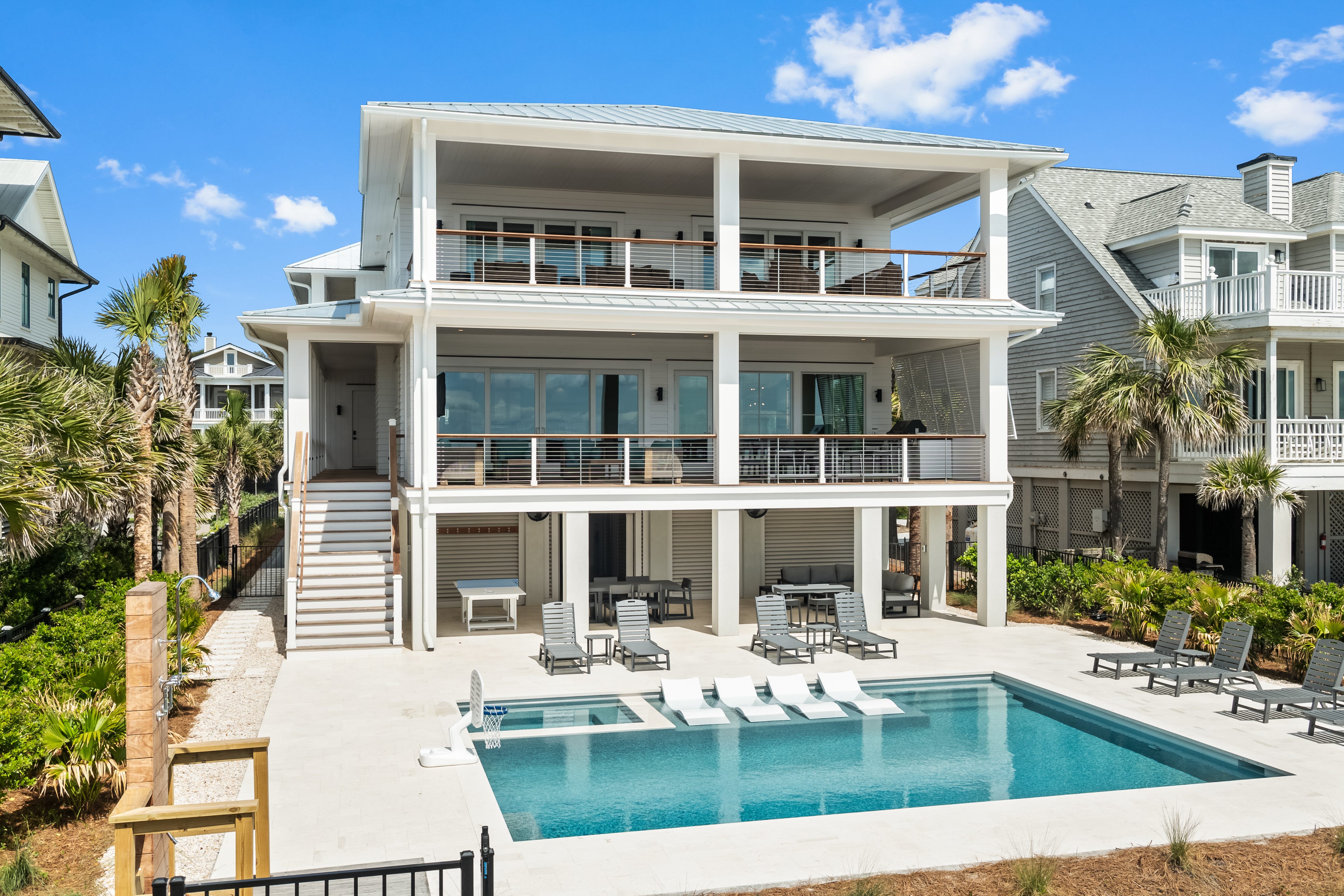
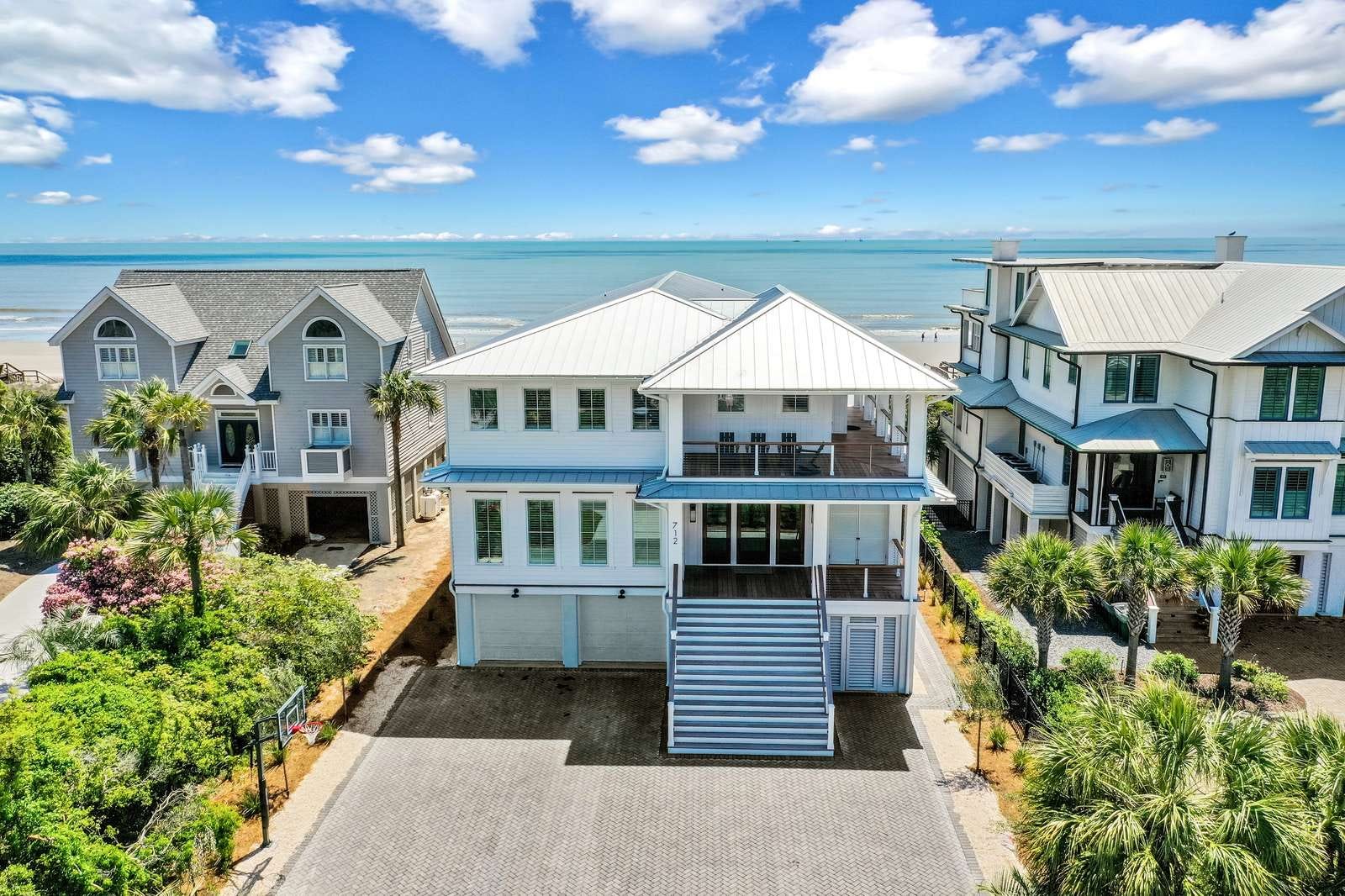
So by the time the opportunity to build our dream beach house came around, I had 15 years of health research experience and 15 years of experience building houses on budgets that had to make sense. It was inevitable that eventually I’d want to combine them. And that’s what happened at Stay Salty IOP. It’s built for me and my family, but we run it as a vacation rental for now (and yes, you can finally stay in it. Hit reply, comment or DM me and I’ll tell you how!)
The beach house
We looked for land at one of our favorite beaches, Isle of Palms, SC, for about five years before we found anything that would work for us. This has been a long time goal to have an oceanfront rental property that we could use with our family too, but buying something just to buy it was not what we were looking for so we had to be patient.
When we finally did find the perfect spot and decide to build, I knew this one was going to be different from our other builds. It was still an investment property, still a rental, but a short-term rental, which means more people through it and more wear and tear than our long-term properties. The cost-benefit math didn’t go away, but I knew our family would spend a lot of time there so there was a new factor at play that we didn’t have in our other investment builds. This house is probably our retirement house, or at least a place we will spend large chunks of life in when the time is right.
And that fact changed what I was willing to do.
At home in Charlotte, I have been working to improve the health of our home for years as I’ve been learning over time. But it’s been patchwork. A wi-fi timer here, a water filter there, addressing things one gadget at a time on top of a house that already existed. Given the chance to build from scratch, I wanted the health decisions in the actual structure. Some of these things CAN be retrofitted later, but a lot of it really can’t, and I’ll flag which is which as we go.
I also knew I didn’t know what I didn’t know. I’d been reading about this stuff for a decade, but there’s a real gap between following healthy-home accounts and knowing which filtration system belongs in front of which HVAC unit in a coastal climate. So in our budget we made sure to include room for a healthy home consultant. We hired Zack from The Purified Home, out of California, and he helped guide us through the process.
(If you’re looking for this kind of help, a few I can vouch for or would consider: The Purified Home is who we used. Christine of Holistic Homes, whose bathroom class I took, does similar work across the whole house. And The Well Build covers the whole process and is who I’d also interview if I were starting today. I know a lot more people are getting involved in this space so I’m sure there are more options I’m not aware of!)
I’m definitely glad we had Zack on our team because while I’ve made 100s of design decisions over the years, I never got too in the weeds on the mechanicals and things behind the walls. One thing I regret though - we brought the consultant in at the framing stage, and we should have started with the healthy home consultant in the architectural planning stage, before we ever hired a builder. When your requirements are in the plans from the start, they just get priced like everything else. When they show up later, each one is a change order and a conversation about how “that’s not how they normally do it”. I also ended up talking to the plumber, the electrician, and the tile installers myself, one at a time, to make sure the protocols Zack and I had agreed on actually happened. Those conversations should have been part of the contract. He also could have been part of some decisions that I didn’t even realize could have a healthy component, so next time I build a healthy home I will absolutely hire the consultant as early as possible.
How to decide what’s worth it
I’m not going to hand you a ranking on the healthy components, because I don’t think there is one.
What I’d actually tell a friend: look at the categories (air quality, water quality, EMFs, VOCs, etc.), look at what each one costs to address where you live, and weigh that against your own sensitivities and your budget. Different people react to different things. I’m more sensitive to microbial stuff than to chemicals, so VOCs matter to me but they’re not where my money went first. Your list might be the reverse, and that’s not you doing it wrong.
One more thing to consider is whether or not you can add it in later. The inside-the-walls choices (insulation, wiring, etc) are essentially now-or-never, so on a new build those decisions come first in my view and you likely can’t do much about it if you’re working in an existing house you’re not taking to the studs. A water filter or an air filtration system can be added later, as long as you leave the space for it. So leave the space if you’re not sure!
Your environment factors into the order of the list too, and so does who’s available to do the work in your market. Honest example: insulation probably belongs near the top for most builds, as it should. At the beach however, my options and my environment pushed me to a choice (spray foam) that healthy-home people argue about, and I’ll get to why. The point is that the “right” answer shifted because of where the house is, who could install what, what my personal sensitivities are, and cost. That’s true of almost every category.
So here’s what we did, category by category, and the reasoning. Take what’s useful, skip what isn’t yours.
Air
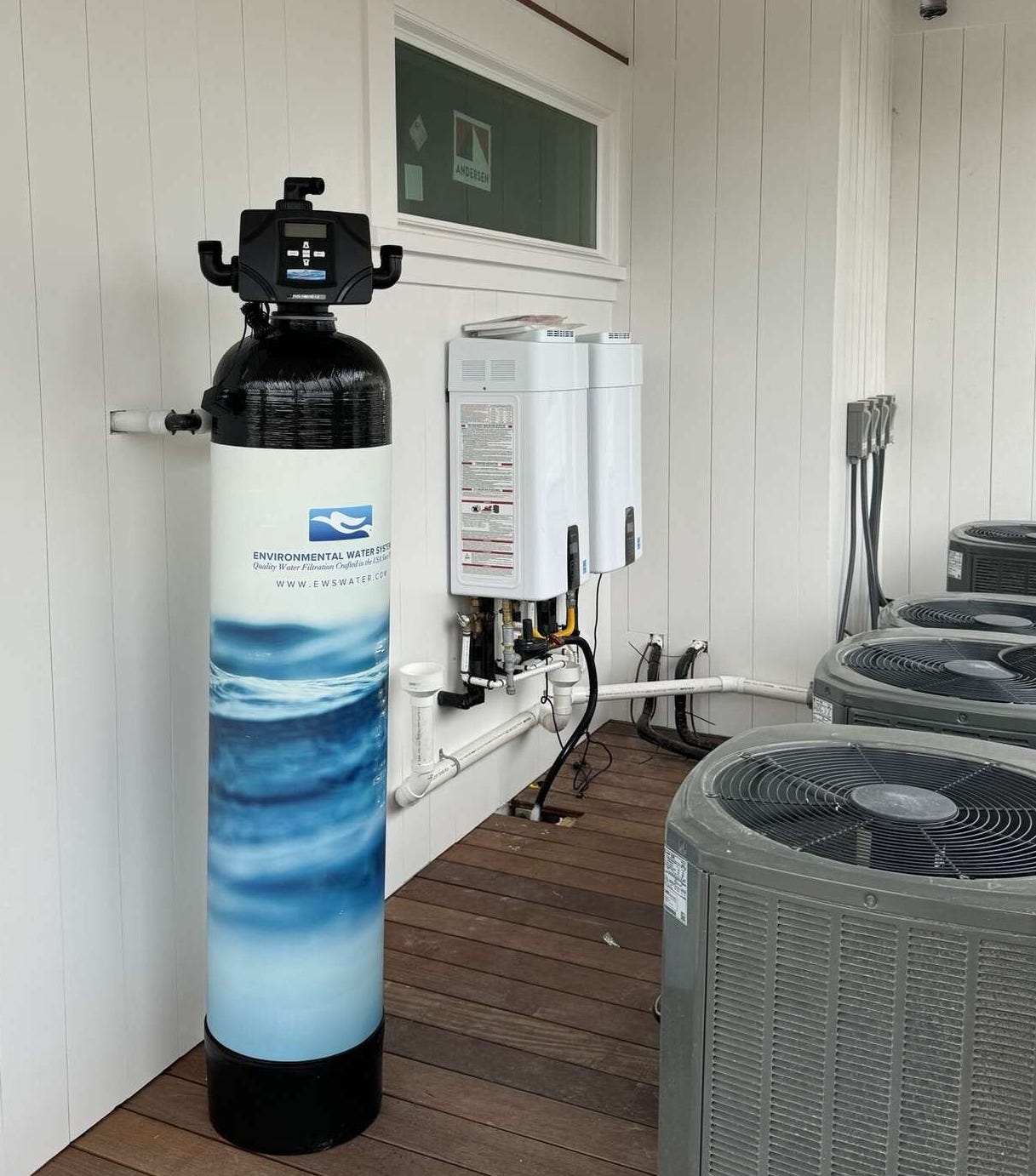
The house runs medical-grade whole-house air filtration, one unit per HVAC system, mounted in front of the HVAC unit itself. That means you need physical clearance for it, so it’s easiest to plan at design time. It can be retrofitted if the space exists.
I wouldn’t have chosen this on my own. I knew standalone purifiers. I didn’t know what actually works inside a whole-home system.
Our consultant also talked us out of something I thought we were supposed to ask for (which honestly helped with building trust with him!) HVAC companies love to offer an ‘upgrade’ to add a UV light in the system to kill bacteria. His take: the air moves past that lamp too fast to do much at all. It’s a very common upcharge that we chose to skip.
The house has an ERV, which exchanges air rather than just exhausting it, which is important when building an airtight structure. Also the range hood is sized to match the makeup air the house can supply. It sounds like a boring mechanical detail, but it is a big factor as to whether a sealed house works, because an oversized hood in a tight house creates pressure problems.
Given the environment at the beach, we also added dehumidifiers, one per HVAC unit. We also included one in the attic, which is an often forgotten space since it doesn’t have its own HVAC unit but the humidity in the attic can cause issues at the coast. All of our dehumidifiers are set to 50%, right in the middle of the 45 to 55 band recommended. There are problems on both sides of that range, so the middle is the goal, and not “as dry as possible.”
Water
I’ll tell you what made me take water seriously, because it wasn’t a study. It was sludge.
I used a countertop distiller at our Charlotte house for years. Distill, add the minerals back, done. I brought that same distiller to a different house at this same beach, ran it the same way, and found a thick layer of sludge in the bottom of the distiller after the cycle ran. My Charlotte water had never done that. I was absolutely shocked and disgusted. I haven’t drank unfiltered tap water in Isle of Palms since then lol.
So when we built, we tested first. Zack sent a sample of our water to a lab, and we chose the filter based on what was actually in it. That’s the piece of advice I’d give anybody at any budget: test your water, then buy the filter that removes what your test found. Otherwise you’re buying a filter for someone else’s water.
What’s in the house: whole-house filtration covering everything, showers and sinks included, filtered past drinkable. Ours sits outside, which works here since we don’t really freeze. If yours has to live inside, put it near a drain, because it needs flushing a couple times a year for maintenance.
We also added a whole-house water structuring unit. Structured water is woo to a lot of people, and I’m not going to argue anybody into it. It’s a layer I added on top of real filtration, not instead of it. Some would say it’s not necessary but for me, if I’m building my dream home, it was something important to me. Drinking “dead” water doesn’t really help our bodies, and the structurer adds “life” back to it. New to structured water? Natural Action, the brand we used, has a simple beginners guide that explains it better than I can. Which unit you'd need depends on the size of your house, and there honestly aren't many options to choose between, so it's not an overwhelming rabbit hole. For once.
The next layer for the water is an inline Clearly Filtered unit on the refrigerator water and the stand alone ice maker. The water coming out of the tap is perfectly fine to drink but I know ice makers and refrigerator water lines are notorious for build up so I wanted the water as filtered as possible there. Since I’m “extra” with all of this, I do plan to add an under-sink reverse osmosis setup in the pantry faucet with minerals added back once we are spending large chunks of time there ourselves.
(On RO vs distilled vs spring water: I think rotating between them is good, and whatever strips contaminants out (RO and distillation), be sure to add minerals (or even sea salt) back. There are several scandals circulating right now about expensive spring water being bottled and sold that is actually no better than tap water, so I don’t think you can win at anything these days – rotate and do your best!)
Electrical
People tease me about this category because it can feel extra if you’re not familiar with dirty electricity and EMFs. It also happens to live inside the walls, so most of it was now-or-never so we went for it.
The house is wired in metal-clad wiring throughout. Standard residential wiring is Romex; metal-clad is usually used in commercial properties. We had to find an electrician willing to do it and pay extra since it’s not his normal work. It cuts way down on dirty electricity and EMFs, and once drywall goes up, that decision is closed forever.
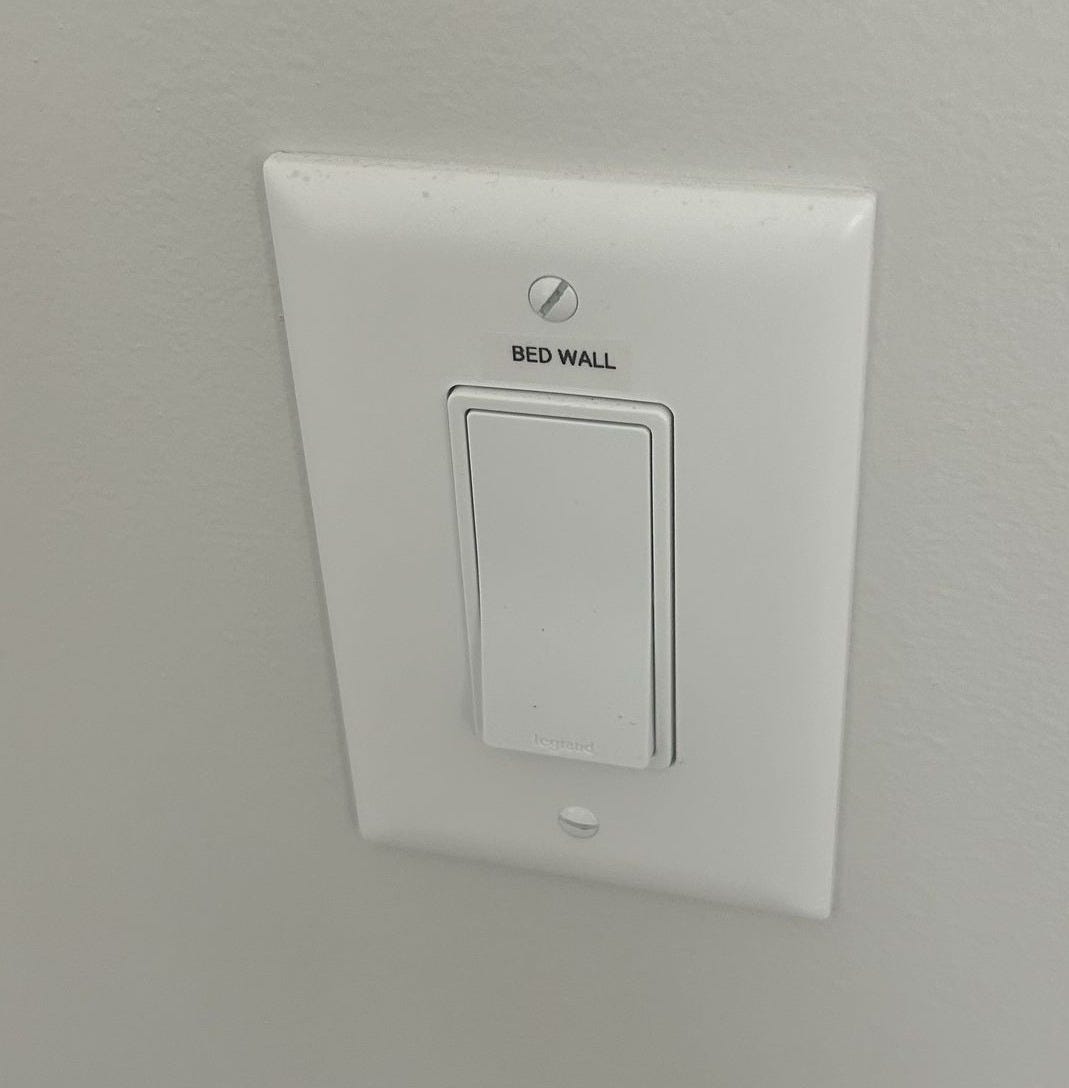
Every bedroom has a kill switch on the bed wall. The guidance I follow is nothing electrical within three feet of your head while sleeping, which means outlets behind the nightstands would be out. But this is a rental and guests want to charge phones by their beds, so instead of removing outlets we added a switch that cuts power to the whole wall behind the bed. Guests who don’t care never notice. My family and I sleep with the wall turned off.
There’s a kill switch for the router too, so the Wi-Fi can be turned off overnight. Every bedroom is hardwired with ethernet availability, and the ethernet still works with the Wi-Fi down. Additionally the wi-fi router lives away from the bedrooms in a front hall closet, never behind a bedwall. At our Charlotte house we do the cheap after market version: a plug-in timer on the router. We set a time for it to be turned off each night and back on in the morning. Easy to use but also annoying on those nights my husband’s trying to work late!
We opted for no dimmer switches anywhere. Dimmers are a known source of dirty electricity and skipping them is free. If there are certain spaces where you think having a brighter and dimmer option are important, consider bulbs that have different settings. We use circadian light bulbs at home in Charlotte and I LOVE them but they can be expensive so we started with the areas we keep lit up most often at night and will gradually swap out the rest over time.
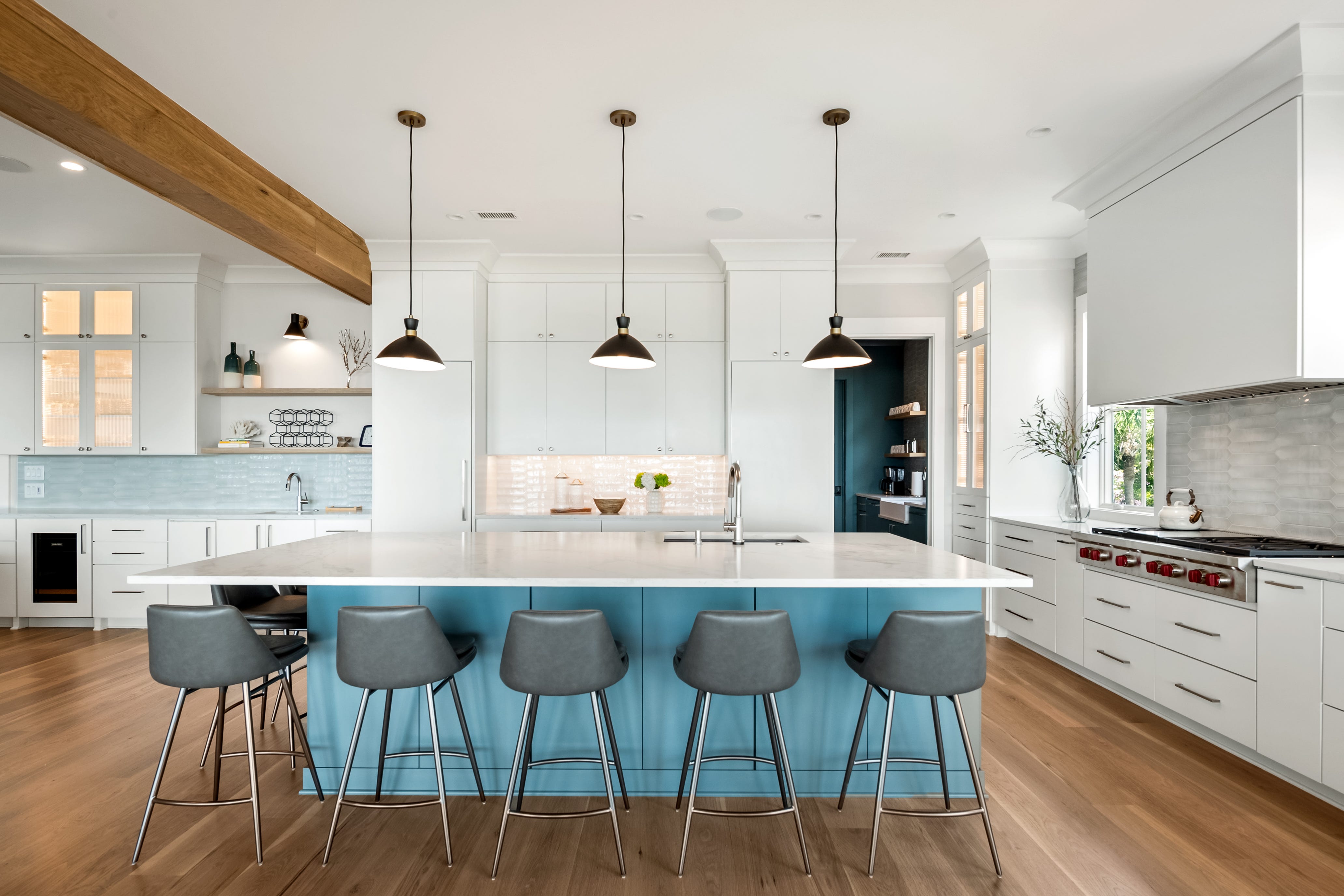
There’s one more electrical story, about three specific rooms in this house and a can of black paint, and I’m telling it at the top of Friday’s post where everyone can read it, because it’s probably considered the strangest thing we did and it deserves more than a paragraph.
Insulation
As I mentioned earlier, we ended up using spray foam insulation, which is controversial in healthy-home circles. I really didn’t want it and we went back and forth on it many times. The coastal environment decided it for us though; the house needed to be sealed, and tightly given how humid the oceanfront air is, and it’s on pilings, so we needed to insulate underneath the house as well. Somewhere inland, I’d look hard at rock wool or another natural option, because I don’t love the VOCs with spray foam and the risk of failure is not zero so you really have to make sure you have an installer that is very experienced. Unfortunately the cleanest ingredient wasn’t the right answer for this house. Protecting the house from the environment was the most important factor and for most people the VOCs on exterior walls will not have a huge impact.
A tight house is only a good idea if you’re also bringing in fresh air on purpose. That’s the ERV again which I mentioned above. These decisions travel in pairs. Older built houses were intentionally built to breathe so the systems needed were different. There are two schools of thought on it but whichever you choose make sure that the other decisions you make pair up with the breathability of the house.
Bathrooms
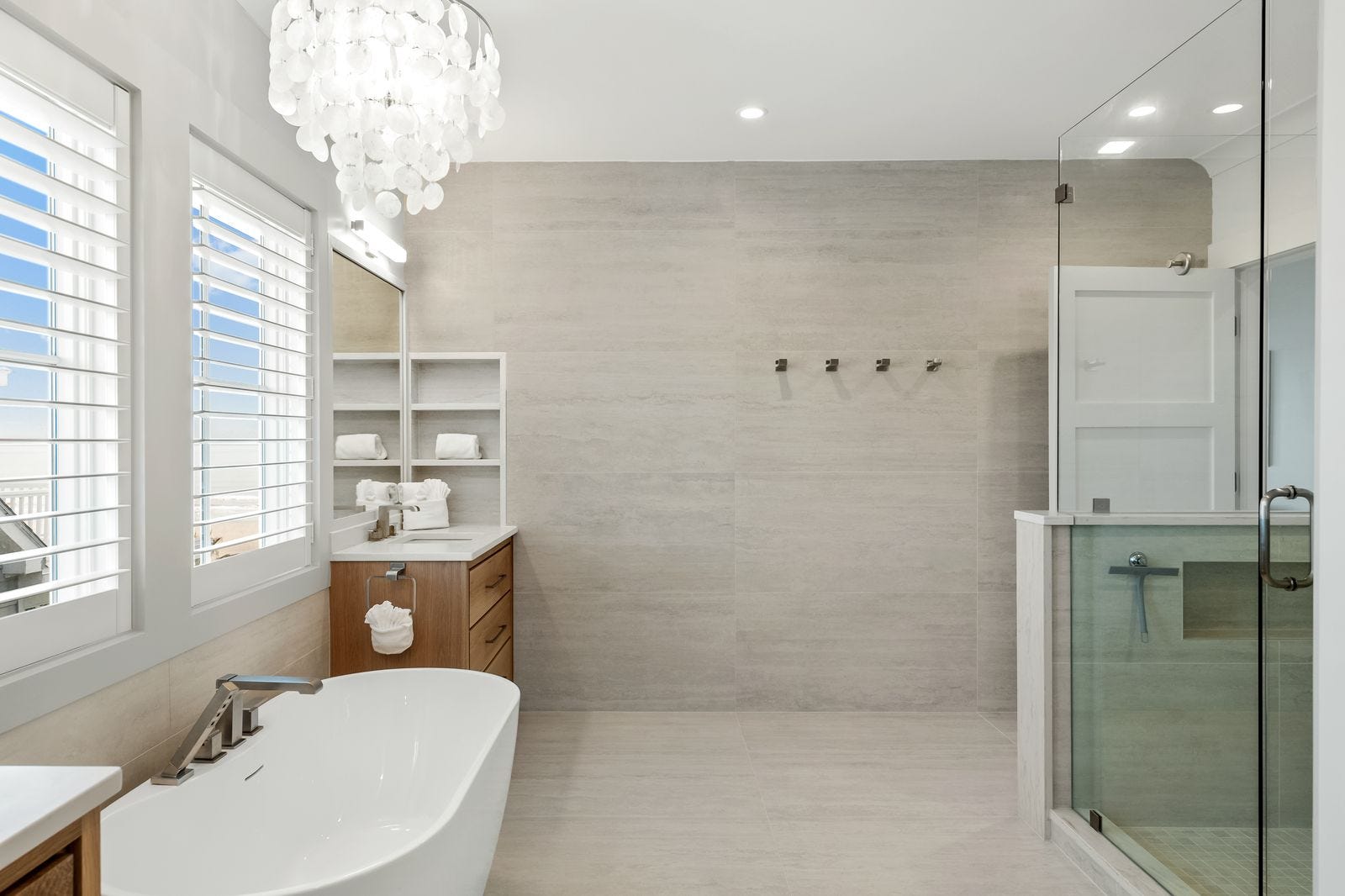
We chose to tile not only every bathroom floor but every bathroom wall as well. Water can go everywhere in a rental bathroom and drywall is a bad bet if you’re avoiding moisture damage. We used large format tiles in the showers when possible to minimize grout lines, the easiest access point for moisture to get behind the tiles. For waterproofing, we went with a Schluter membrane waterproofing system on shower walls, floor, over the curb, and several feet out into the room. The standard would just be in the shower. In a small bathroom I’d waterproof the entire floor.
A lot of my bathroom thinking came from Christine’s class, and the full bathroom playbook, waterproofing coats, leak testing, etc will be in Friday’s post.
Leak protection
My favorite unglamorous money in the house: prevention. I put Leak detectors under every sink that alert when there is a pipe leaking. Rubber mats under every sink, with the detector sitting in the mat so it catches a slow drip. We also put leak detectors and metal drip pans under the ice maker, dishwashers and washing machines. These detectors have a small sensor and then a wire connected to the battery box so you don’t have to move out the appliance to change the batteries. Additionally we also put a whole-house leak detector on the main line that shuts the water off automatically when there is a leak. I recommend the whole-house shutoff to everybody. Water damage stories usually start as a small leak nobody found for a while and I think it’s a worthy investment.
Gas versus induction cooktop
This debate ate an unreasonable amount of my research time. I was leaning induction, because I’ve read that gas in the house can be an air quality concern. Then I read about induction and read about a real EMF concern. After months of reducing EMF everywhere else, that gave me pause.
In the end we went gas. It’s a rental, guests know how to cook on gas, and the learning curve for induction can be steep for someone only staying a week. Plus the air filtration and ventilation in this house are legit so I’m confident in the air quality. If we lived here full time, I’d potentially revisit it.
Flooring, Trim, Cabinets
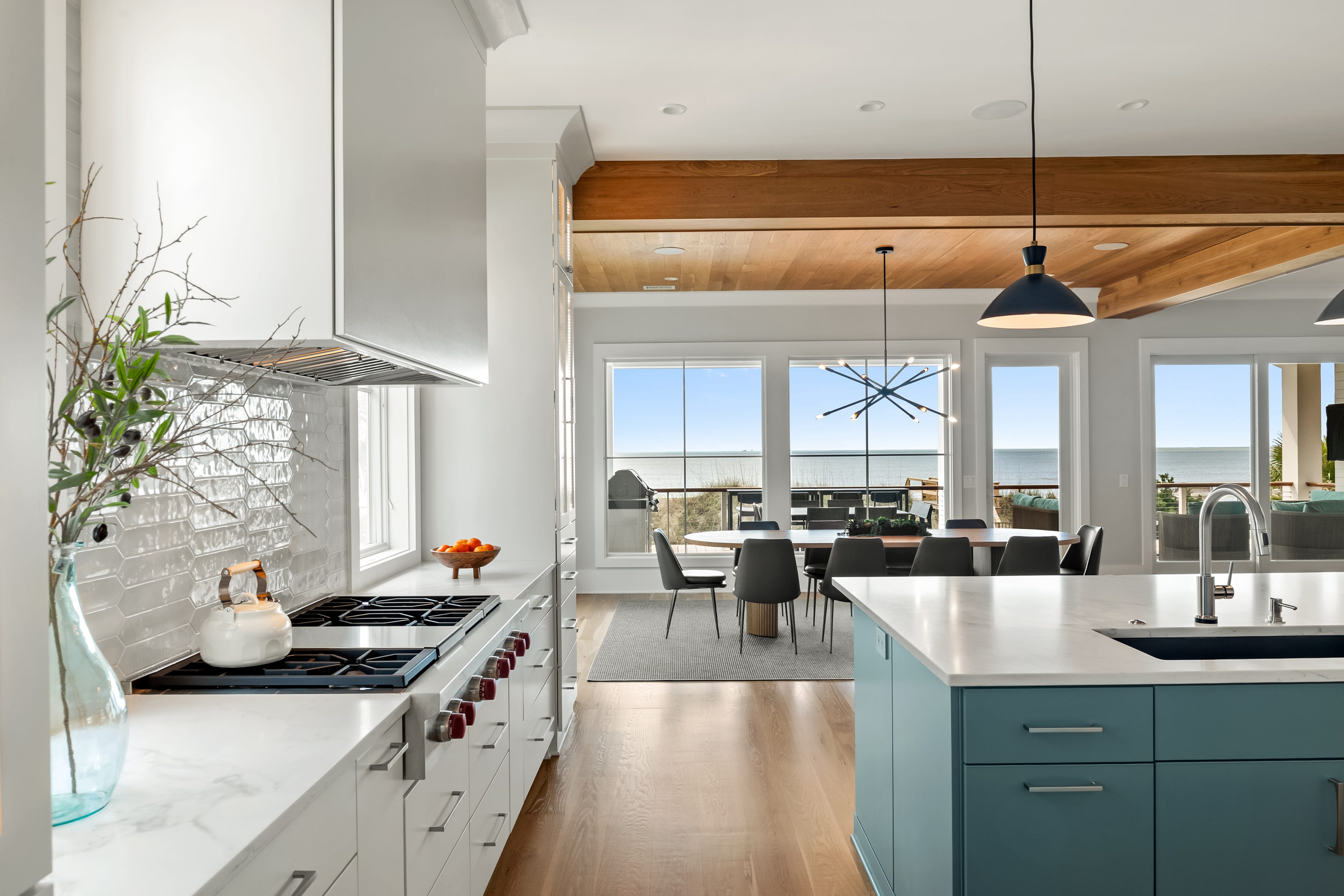
We always choose site-finished white oak throughout instead of carpet in our rentals. Carpet holds onto everything and makes dust and is not easily cleanable or replaceable. Site finishing, rather than prefinished planks, is what let me control what actually went on the floors, and the low-VOC finish we chose couldn’t be smelled two days later. (If you’re extremely VOC sensitive, prefinished cures in a factory instead of your house, and that might be the better direction for you.)
We used solid wood trim for windows, doors, baseboards, etc. Avoid MDF where your budget lets you but especially in bathrooms and wet areas. It soaks up moisture like a sponge and the glue holding it together is like a chemistry set.
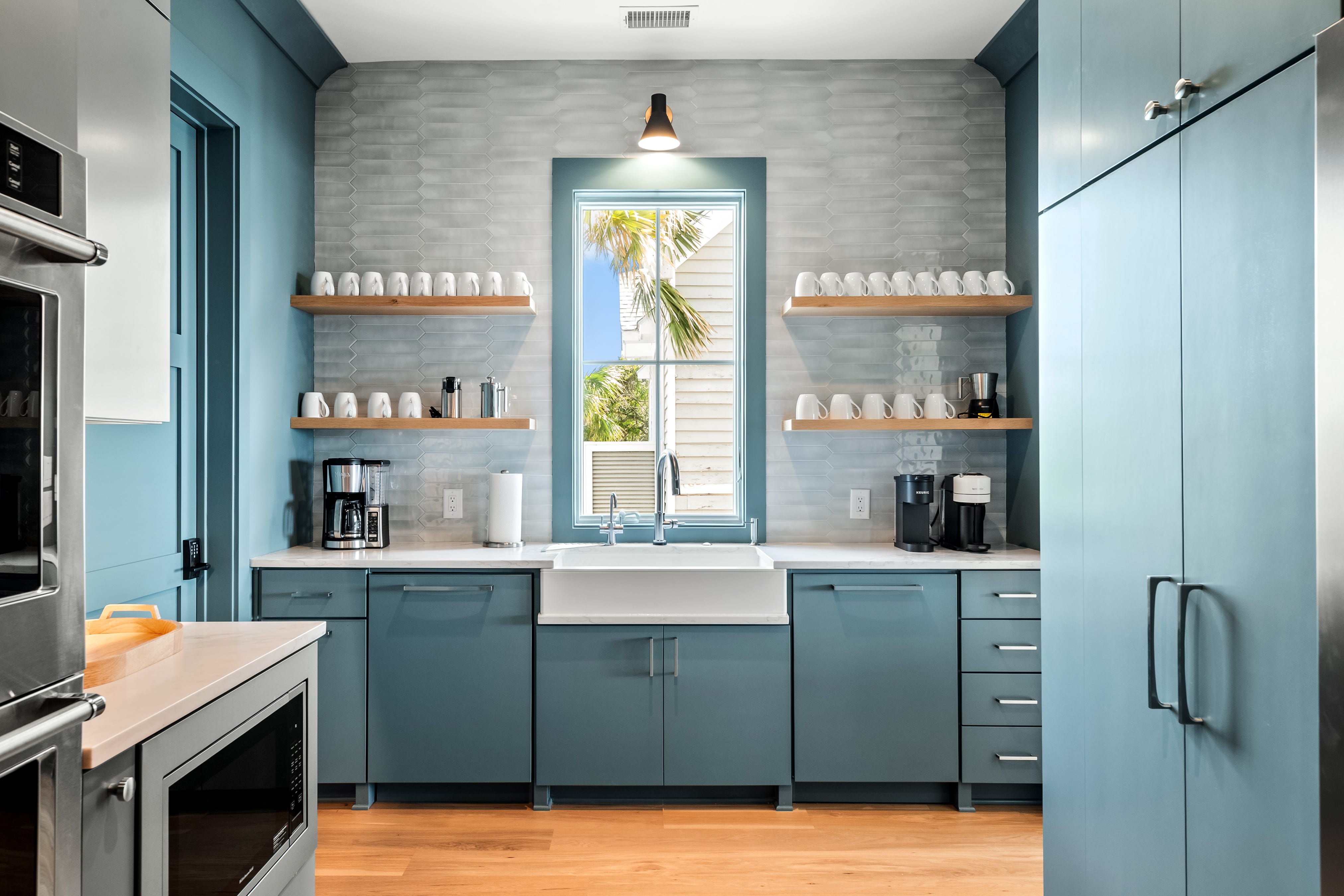
We have custom made cabinets throughout the house and they were made of plywood and solid wood, not MDF. I made sure to ask the shop directly what the boxes were made of before signing.
Furniture and bedding
Since it is a rental and we need to buy 9 mattresses at the same time, we chose organic mattresses from Happsy, Naturepedic’s bed-in-a-box line. One thickness, one model, which is why they cost less, but they’re extremely comfortable.
We opted for solid wood furniture wherever possible, no upholstered beds to trap dust and moisture, and natural fiber wool and cotton rugs instead of synthetic.
On the beds we offer Quince organic bamboo sheets, organic cotton duvet covers, 100% cotton blankets, and mattress protectors that are waterproof with an organic cotton surface.
The sofas are also Quince, and full honesty, they’re likely still poly-filled. They do have solid wood frames though, and are sustainable, but it was a budget call to go this route. Sofas in a rental get destroyed every couple of years so we needed to not break the bank. I am a big fan of Quince, as you all know by now, so this felt like a good compromise. Next time I’d look at Medley, which is likely a cleaner option.
Remember, if you’re working in your own existing house, most likely you’re not replacing the furniture in every room all at once. Just be aware of what’s out there and do what you can when you can. You don’t have to do everything all at once. I didn’t do everything perfectly in this house even with the intention of a healthy home! The list would be never ending so just do the best you can with the knowledge you have and don’t sweat it too much. This advice is true for ALL of this, not just the furniture.
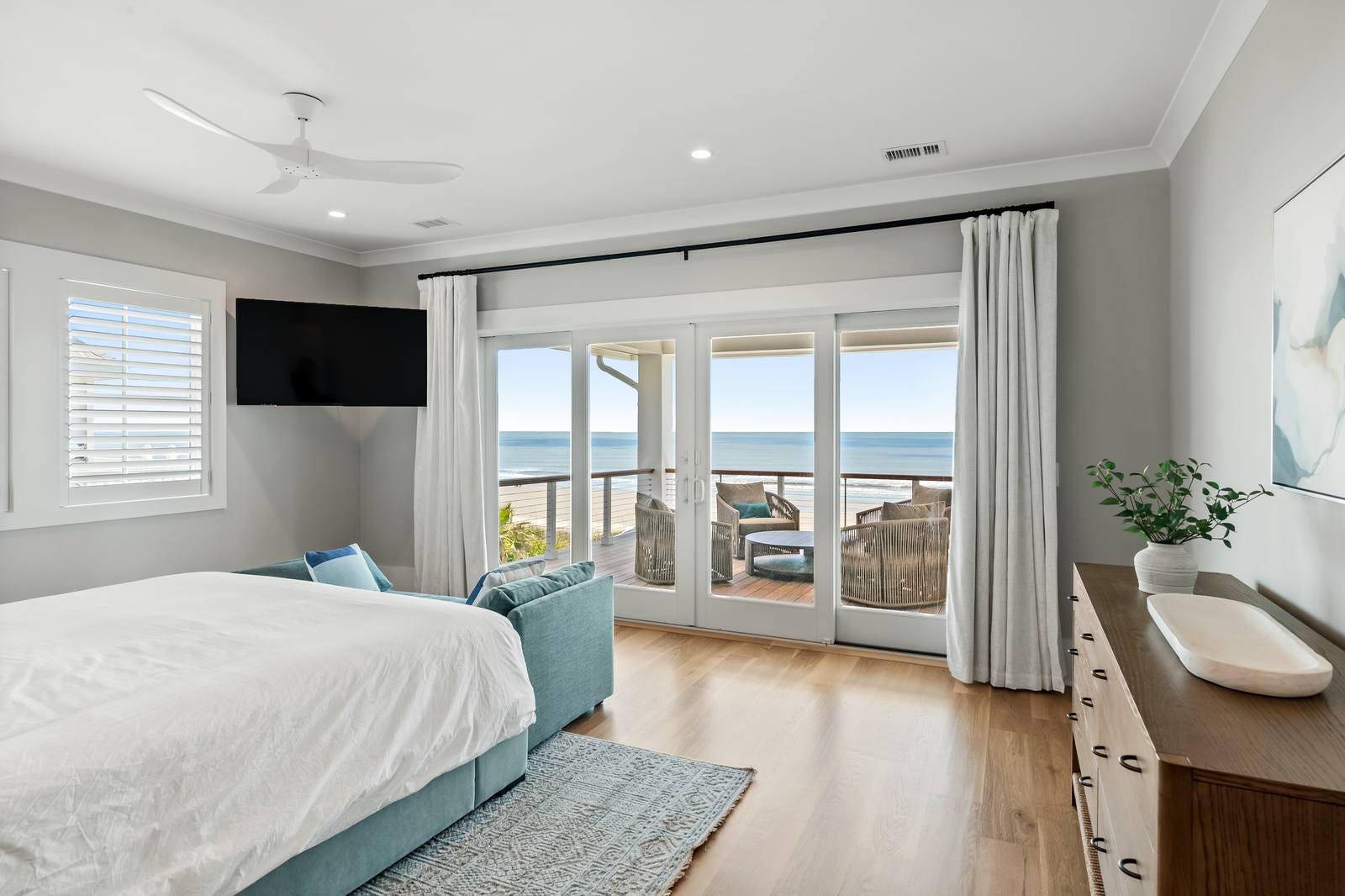
What all of it actually bought me
People ask if I can feel a difference when I’m there, and I want to answer that carefully, because I recognize that the house is at the beach, and the beach flatters everything.
Here’s my honest answer: At home I fall asleep fine and then wake up in the middle of the night and have a hard time getting back to sleep. There, I sleep through until morning. My husband likes to leave the drapes open so the sunrise over the ocean wakes us up, and at home, any bit of light would keep me awake. There, it doesn’t. I can’t hand you a lab result separating the house from the vacation. I can tell you which one of those places I sleep through the night in.
But the change I’d actually point to is quieter than sleep. Anyone who’s been down enough health rabbit holes knows the background hum: am I doing enough, am I missing something, do we need to filter this water, should we have brought the air purifier. I built this house from scratch, so I know exactly what’s in it and what isn’t. And the hum just stops. I fill a glass of water straight from the tap. Ice from the ice maker, tea from the hot water dispenser, no step in between, no decision to make. I look at a thermostat in one of the most humid places I know and it says 50%, every time. My kids breathe clean air in every room without a single machine humming in a corner. It allows my body to truly REST.
My favorite moment every time we stay there is the initial few steps in the house. Outside is salt air with a distinct smell – the beach! But inside I smell nothing. No fragrance, no bleach, no cover-up scent. Just clean fresh air. If you’ve ever walked into a rental and smelled the air freshener doing battle with something underneath it, you know exactly what I mean. Because of that, I think smelling “nothing” is amazing.
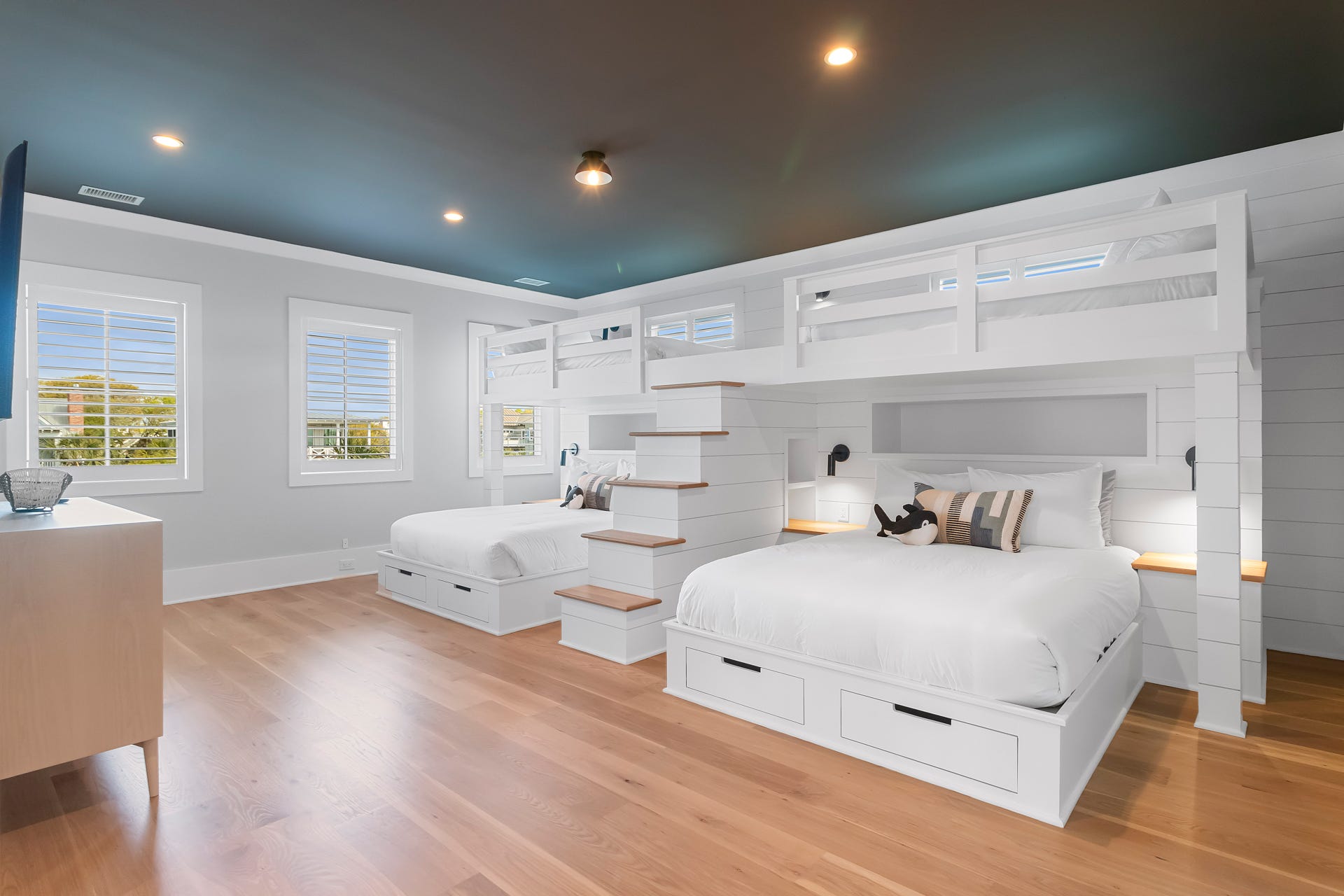
The kids’ favorite moment is heading to their bunk room. It’s got custom solid-wood bunks with bookshelves and reading lights, which they treat as their private fort. They spend more time inside than you’d expect from kids staying at the beach. And the last thing that happens at night, in every bedroom, is somebody flips the switch labeled BED WALL and the wall behind the bed goes quiet. In our room it’s on my husband’s side of the bed so he hops out to get it when we’re ready to power down. Even if it weren’t on his side, I’d probably still make him get up.
We haven’t been renting it for that long but I’ve had guests notice too, which I definitely didn’t expect. We’ve had people write unprompted to ask about the mattresses. A repeat guest told us she could just feel a difference in the air and the water. One guest who describes herself as very EMF sensitive told us she felt great here.
Most mornings when we’re there, I’m out on the porch off our bedroom before the sun clears the horizon, in my pajamas, no glasses, no contacts, because a sunrise isn’t about seeing anything in particular. The water at that hour is still, almost like glass. When we started building, the idea of retiring here felt like a very long way off. Sitting out there looking at the sun peek out over the ocean, it feels like a plan.
If you’re not building anything
I get that probably most of you are NOT currently building a house, but most of this can still be applied to your current house too if you’re interested in cleaning up the environment to best support your family.
Test your water, then filter it. A countertop RO, a countertop distiller with minerals added back, or an under-sink filter at one faucet. Shower and bathtub filters are a one-off you can install yourself. Clean water is probably the top thing I’d recommend. Water is life.
Air. If whole-house isn’t an option, standalone units work. AirDoctor and Jaspr are the two I recommend, and I compared them in last week’s post which you can find here.
Buy a hygrometer (or a few) to know what humidity is actually like in your house. It’s cheap and it tells you whether you actually have a humidity problem or whether you’ve been guessing. You’re looking for 45% to 55%.
Then add a dehumidifier if you live somewhere humid. Even a single room unit, set to that same 45 to 55, can do wonders. We have several in our Charlotte house and usually only need them in the warmer months. The hygrometer let’s you know when its time to turn them on or off for the season.
Put a timer on your router so the Wi-Fi shuts off overnight, or use an outlet with a button you keep by the nightstand. Move the router out of the bedroom while you’re at it.
Swap out your dimmer switches. A cheap electrician visit or a manageable DIY. You know you don’t use them that often anyway.
Go look at where your bathroom fans and your dryer actually vent. They’re supposed to terminate outside. A surprising number terminate in the attic, which is hot, humid, and unconditioned, which makes it the worst possible place to send a steady supply of warm wet air. If they are not venting outside, it’s worth having an HVAC tech check it out. If you have an ERV you may not even have exhaust fans so worth a check.
Leak detectors and drip pans: these under the appliances and these under the sinks, plus a whole-house shutoff on the main line if you can swing it.
Solid wood over MDF and particle board when the budget allows. This goes for trim as well as furniture.
And when new furniture comes in, give it some air. Let pieces off-gas in the garage if you can, or open the windows and doors for a while, or just don’t stay in the house right after the furniture lands. That last one is what we did, and I know it isn’t available to everyone. I also ran the Jaspr on high in the main rooms for the first few weeks after the new furniture arrived. If you’re seriously VOC sensitive, make an actual plan here. If you’re just trying to do better: we’re bombarded all the time, you will most likely be fine even with the new furniture, so get some fresh air or a filter running and move on with your life.
★ THE SHORTCUT
You can’t do everything. Weigh air, water, EMFs, and VOCs against your budget, your environment, and your own sensitivities.
Decide your healthy-home requirements before you hire a builder.
Test your water before you buy a filter.
Buy a hygrometer before you buy a dehumidifier, then hold 45 to 55%.
Skip the HVAC UV light.
Avoid MDF. Solid wood and plywood are the way to go if you can.
Check where your bathroom fans and dryer actually vent.
Leak detectors, drip pans, and a whole-house shutoff are the cheapest insurance in the house.
Before you go
Friday: the build spec. Friday I’ll list out all the brands and details, what I told each sub before they started, and a downloadable checklist you can hand a builder. The top of that post, free for everyone, is the story of the three rooms and the black paint. The spec below it is for paid subscribers.
And tell me: which of these categories is the one you’d tackle first in the house you’re in right now? Have you been curious about how to make your home healthier? Would you consider renting a vacation house based on it being a healthy home? I’d love to get your thoughts on if this is a topic you’re familiar with or if this was all new for you!
Talk soon,
Kristen ❤️
Thanks for writing this in such detail, Kristen, super useful. I've been on a similar rabbit hole when it comes to food, then personal care & cleaning products, clothing, etc. All the info you've put together on the home aspects, beyond water and air, is very useful.